

The Future of Compact Living: Why Capsule Houses Are Redefining Modern Architecture
In an era where urbanization is accelerating at an unprecedented pace, the way we think about housing is undergoing a radical transformation. City populations are swelling, land prices are skyrocketing, and the traditional notion of a “home” is being challenged by innovative alternatives. Among these emerging solutions, capsule houses—also known as modular pod homes, space capsules, or prefab micro-homes—have captured the imagination of architects, developers, and homeowners alike. Far from being a futuristic fantasy, capsule housing is already here, offering a compelling blend of affordability, sustainability, and design ingenuity.
What Is a Capsule House?
The concept of capsule housing traces its roots to the 1970s, when Japanese architect Kisho Kurokawa introduced the world to the Nakagin Capsule Tower in Tokyo. Each unit was a self-contained, prefabricated module measuring just a few square meters, equipped with everything a person needed to live comfortably. While the original tower has since been demolished, the philosophy behind it lives on—and has evolved dramatically.
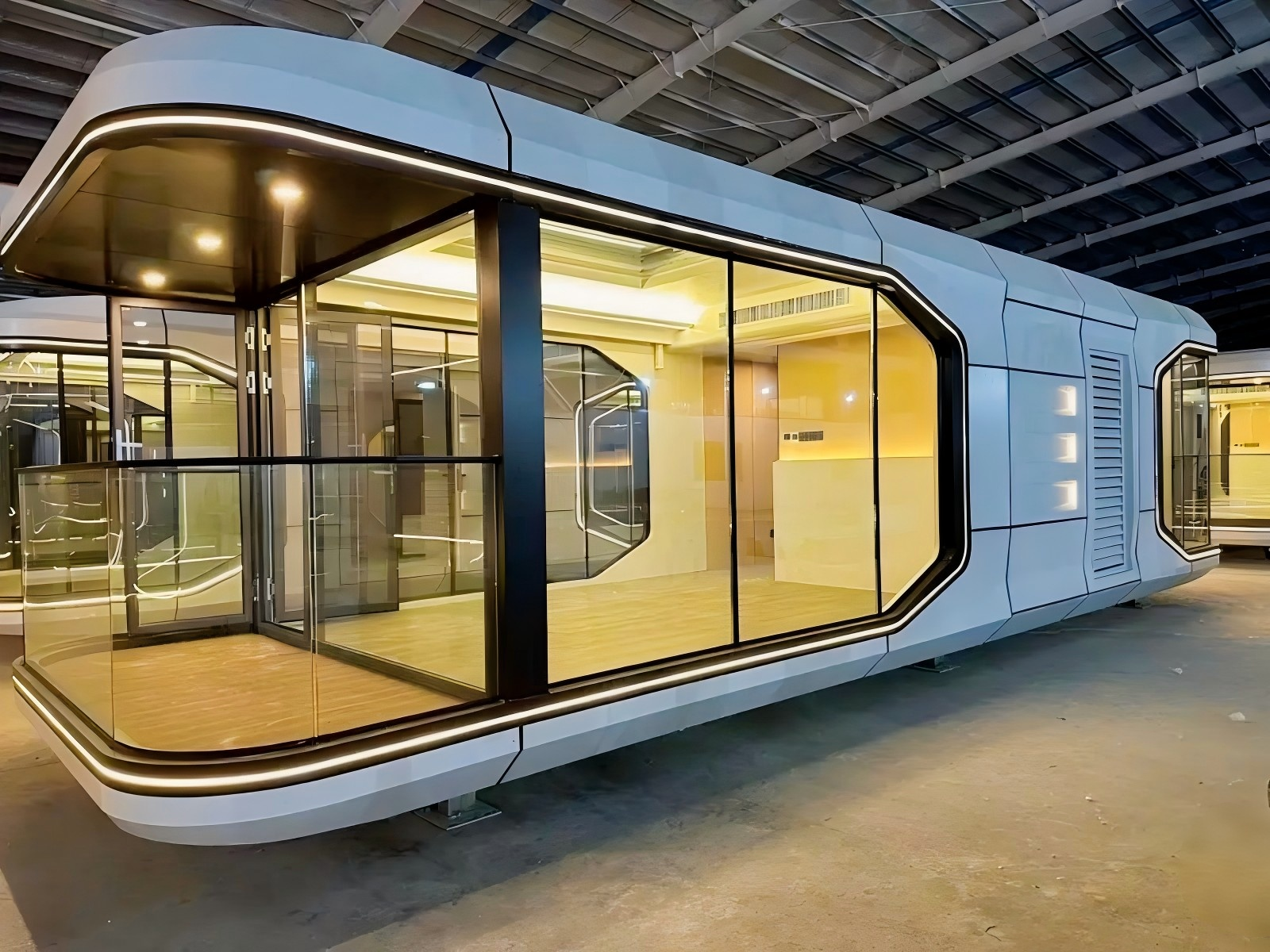
Today’s capsule houses are sophisticated, factory-built living units that can be transported and installed on-site in a matter of days. Ranging from compact 15-square-meter pods to spacious 60-square-meter modular homes, these structures are designed with efficiency in mind. Every inch is optimized: fold-away beds, integrated storage, multi-functional furniture, and smart climate control systems are standard features.
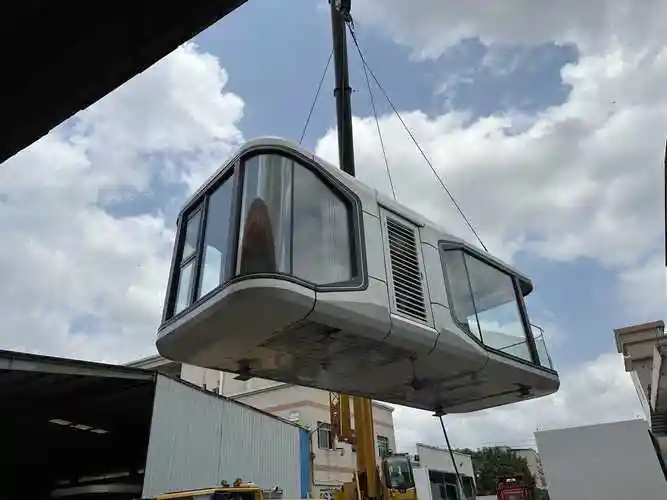
The XinChens Approach: Engineering Meets Aesthetics
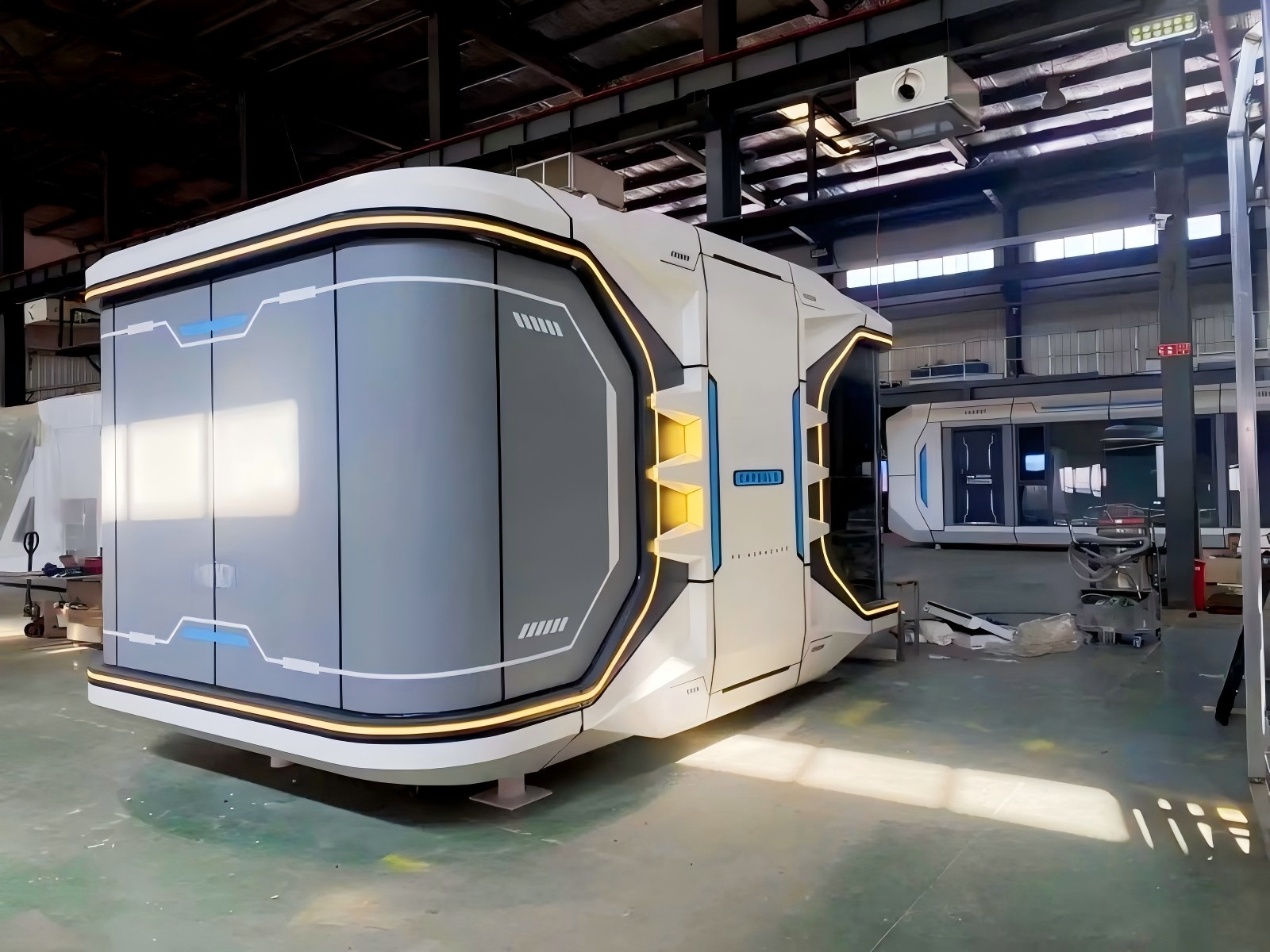
At XinChens, we believe that small-space living should never mean compromising on quality or comfort. Our capsule houses are the product of extensive research into materials science, structural engineering, and human-centered design. Each unit is constructed using high-grade sandwich panels—a triple-layer composite of color-coated steel sheets and polyurethane foam insulation. This construction method delivers exceptional thermal efficiency, fire resistance, and structural integrity, all while keeping the overall weight remarkably low.
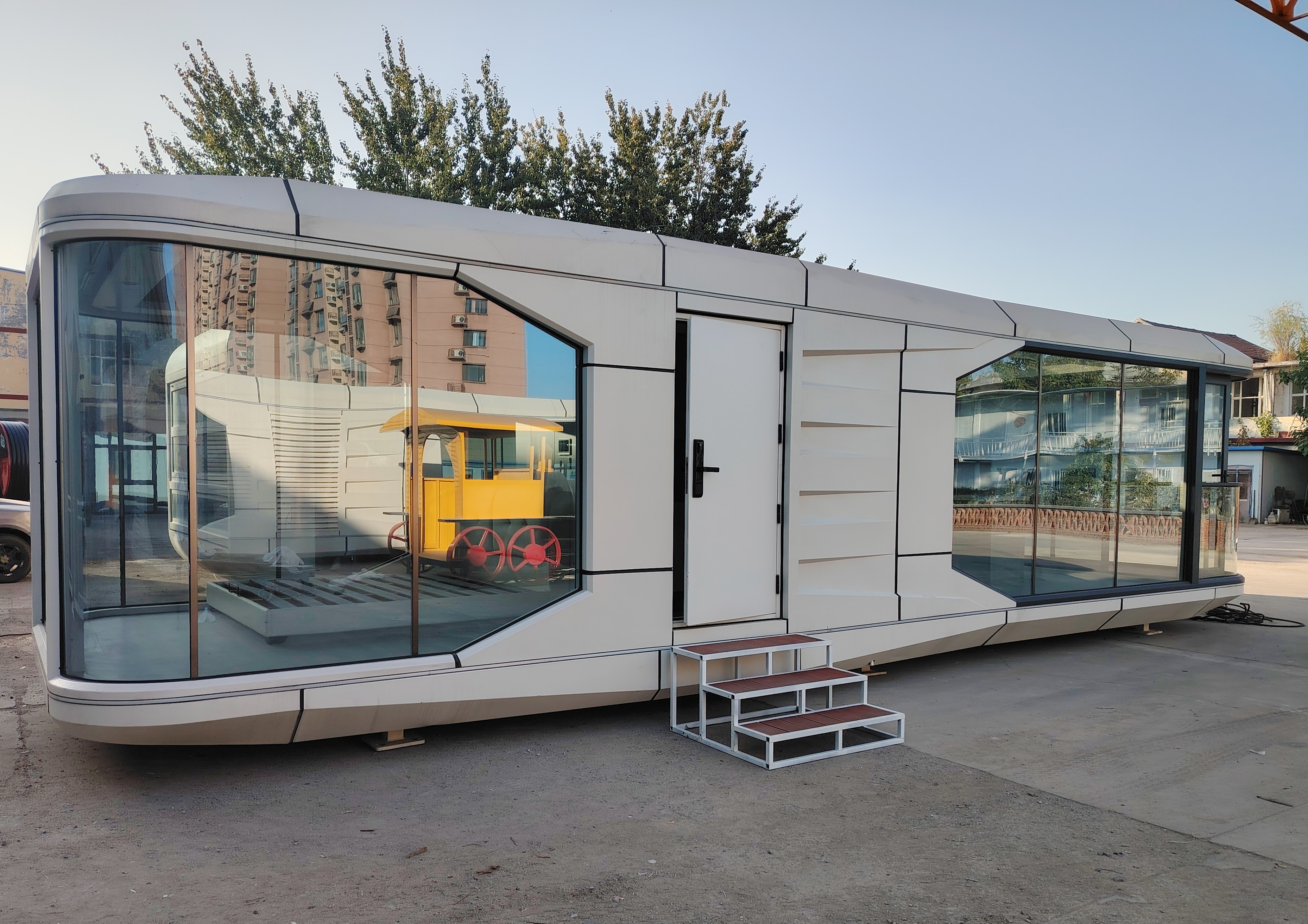
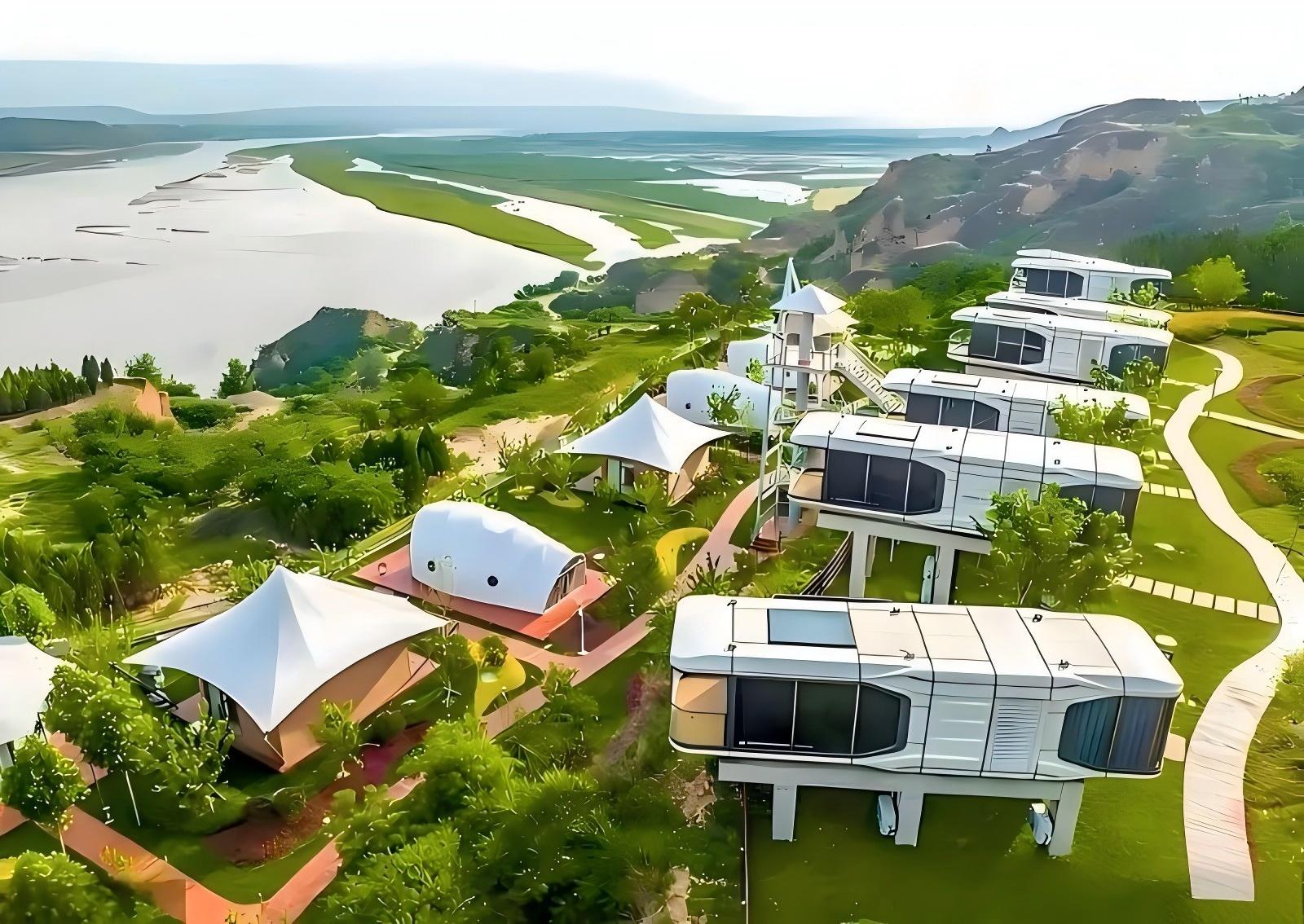
One of the standout features of XinChens capsule homes is their modular flexibility. Individual pods can be combined horizontally or stacked vertically to create larger living complexes, multi-family dwellings, or even boutique hotels. Whether you need a single-unit tiny home for a backyard guest suite or a 50-unit eco-resort in a remote location, the modular system adapts to your vision.
Speed of Construction: From Factory to Move-In in Weeks
Traditional construction projects are notorious for delays, budget overruns, and weather-related setbacks. Capsule houses flip this paradigm entirely. Because the majority of construction takes place in a controlled factory environment, external factors such as rain, extreme temperatures, or supply chain disruptions have minimal impact on the production timeline.
At XinChens, a standard capsule unit can be manufactured, quality-checked, and prepared for shipment within 15 to 30 days. On-site installation typically takes just 3 to 7 days, including foundation work, utility connections, and final inspections. For developers and investors, this means a dramatically shorter time-to-market and faster return on investment.
Sustainability: Building Responsibly
Sustainability is no longer optional—it is an imperative. The construction industry accounts for approximately 40% of global carbon emissions, making it one of the most urgent sectors to decarbonize. Capsule houses offer several inherent environmental advantages:
- Reduced Material Waste: Factory production allows for precise material cutting and recycling of off-cuts, reducing waste by up to 70% compared to traditional on-site construction.
- Energy Efficiency: The sandwich panel construction provides superior insulation, reducing heating and cooling energy consumption by 30–50%.
- Minimal Site Disruption: Because installation is quick and requires minimal heavy machinery, the environmental impact on the building site is significantly lower.
- Longevity: High-quality materials and protective coatings ensure a service life of 20–50 years with minimal maintenance.
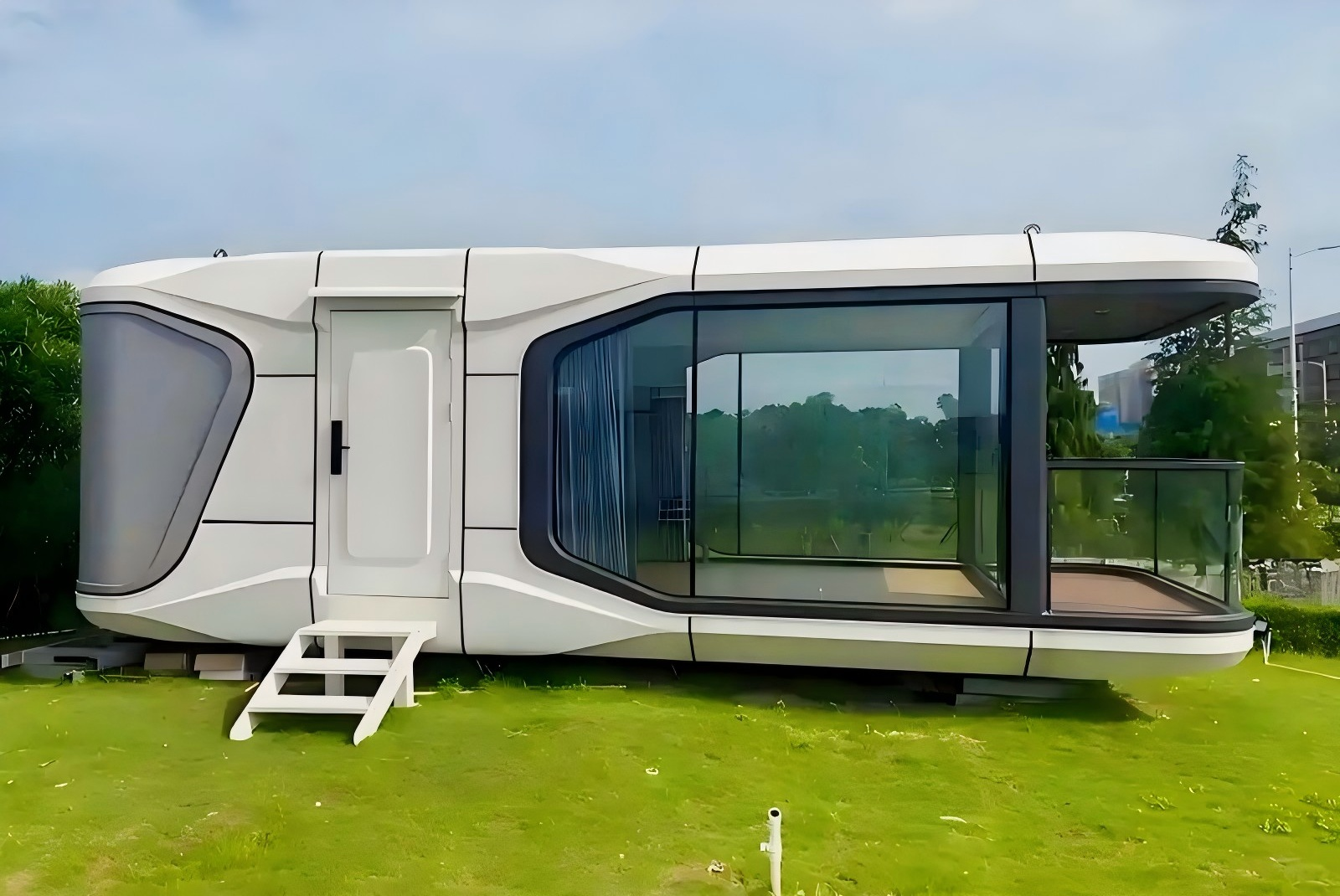
Versatile Applications: Beyond the Backyard
While capsule houses are often associated with residential use, their applications are remarkably diverse:
- Residential Housing: Primary homes, ADUs (Accessory Dwelling Units), vacation cabins, and rural retreats.
- Hospitality: Eco-resorts, glamping sites, boutique hotels, and remote lodges.
- Commercial: Mobile offices, pop-up retail spaces, exhibition pavilions, and construction site accommodations.
- Disaster Relief: Rapid-deployment emergency housing in the aftermath of natural disasters.
- Education & Healthcare: Modular classrooms, clinics, and remote medical stations.
Cost-Effectiveness: Affordable Without Compromise
One of the most compelling arguments for capsule housing is its affordability. In many markets, traditional home construction costs have risen beyond the reach of average buyers. Capsule houses offer a viable alternative, with prices typically ranging from 30% to 60% less than conventional construction on a per-square-meter basis.
This cost advantage stems from several factors: economies of scale in factory production, reduced labor costs, predictable pricing, and lower financing costs due to shorter construction periods.
Smart Technology Integration
Modern capsule homes are not just physically compact—they are intelligently designed. Many XinChens units come equipped with smart home features including smart thermostats, LED lighting systems, integrated USB and power outlets, water-saving fixtures, and optional solar panel integration for off-grid capability.
Challenges and Considerations
While capsule houses offer numerous advantages, it is important to acknowledge potential challenges. Zoning regulations in some jurisdictions may restrict the placement of prefab or tiny homes. Utility connections must be planned in advance, particularly for remote sites. However, as municipalities update their building codes and public perception shifts toward minimalism, these barriers are steadily diminishing.
The Road Ahead
The global capsule house market is poised for significant growth. Industry analysts project the modular construction sector to expand at a compound annual growth rate (CAGR) of over 6% through 2030. XinChens is at the forefront of this movement, advancing structural resilience, expanding customization options, and integrating renewable energy systems directly into the capsule design.
Conclusion
Capsule houses represent more than just a clever architectural trend—they are a response to some of the most pressing challenges of our time. By reimagining how homes are designed, manufactured, and installed, we can create a future where safe, comfortable, and sustainable housing is accessible to far more people than ever before.
Whether you are an investor exploring new opportunities, a developer seeking faster project delivery, or an individual dreaming of a simpler way of living, capsule housing offers a path forward. The future of housing is compact, intelligent, and beautifully designed—and that future is already here.
About XinChens
XinChens is a leading manufacturer of modular prefab houses, capsule homes, and sandwich panel buildings, headquartered in China with global export capabilities. Visit our capsule product page to explore the full range and request a customized quote.
Leave a Reply